Strategic Keynote
Topics include:
The future of international trade
Rethinking global value chains
Economic sovereignty
The Equal Trade
Model Africa's industrial futureStrategic dialogue
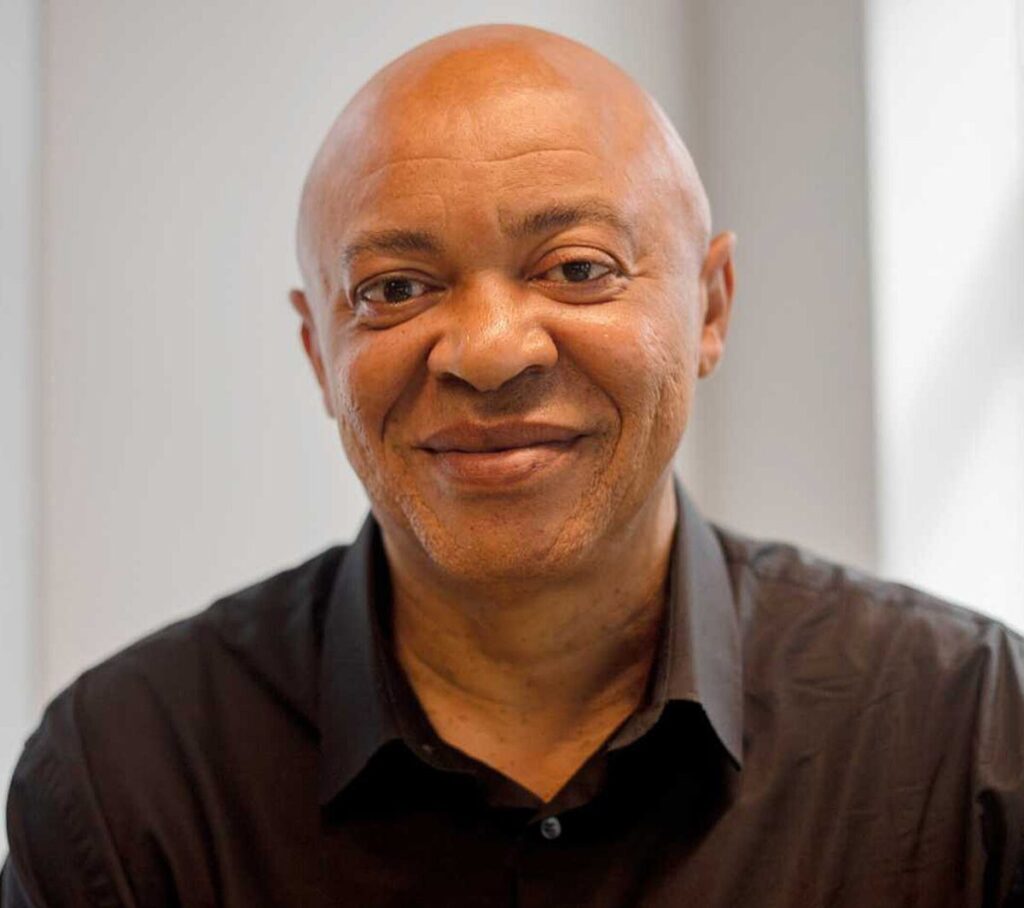
The Equal Trade Model. A new way of thinking about who owns the value producers create.
_____________
Why do the countries that produce much of the world's wealth receive only a small share of it?
Read the full story →
Countries that produce coffee remain poor. Countries that produce cocoa remain poor. Countries rich in minerals remain poor — while the industries built around those same resources create extraordinary wealth elsewhere.
The real question isn't how much producers are paid. It's who owns the value created after production.
The countries that produce much of the world’s wealth continue to receive only a small share of it.
For years, I worked across cultures, between Europe and Africa, listening to different perspectives on development, trade and opportunity.
In Europe, the conversation often centred on fair prices, market access and development cooperation.
In Africa, it centred on value addition, industrialisation, sovereignty and economic independence.
Those conversations gradually revealed what was missing. The conversation was never only about production.
It was about ownership.
That insight became the foundation of the Equal Trade Model.
Today my work brings together research, entrepreneurship, international partnerships and practical innovation to explore how international trade can evolve from a system of extraction into one of shared ownership and shared prosperity.
I believe the future will not be transformed by better intentions alone.
It will be transformed by better systems.
_____________
Why do the countries that produce much of the world's wealth receive only a small share of it?
Read the full story →
Countries that produce coffee remain poor. Countries that produce cocoa remain poor. Countries rich in minerals remain poor — while the industries built around those same resources create extraordinary wealth elsewhere.
The real question isn't how much producers are paid. It's who owns the value created after production.
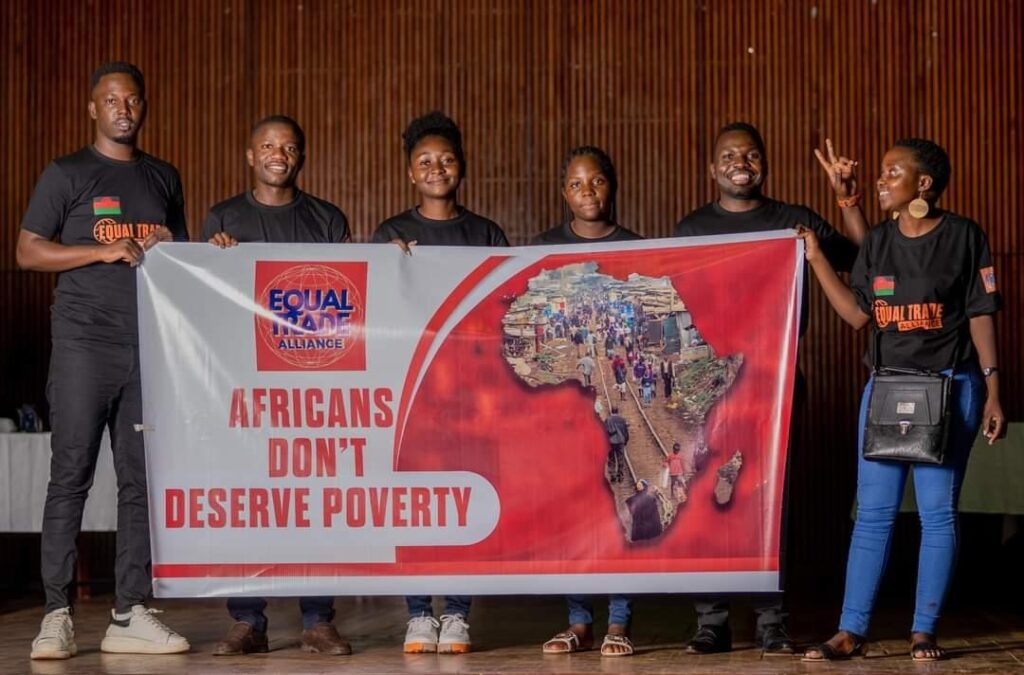
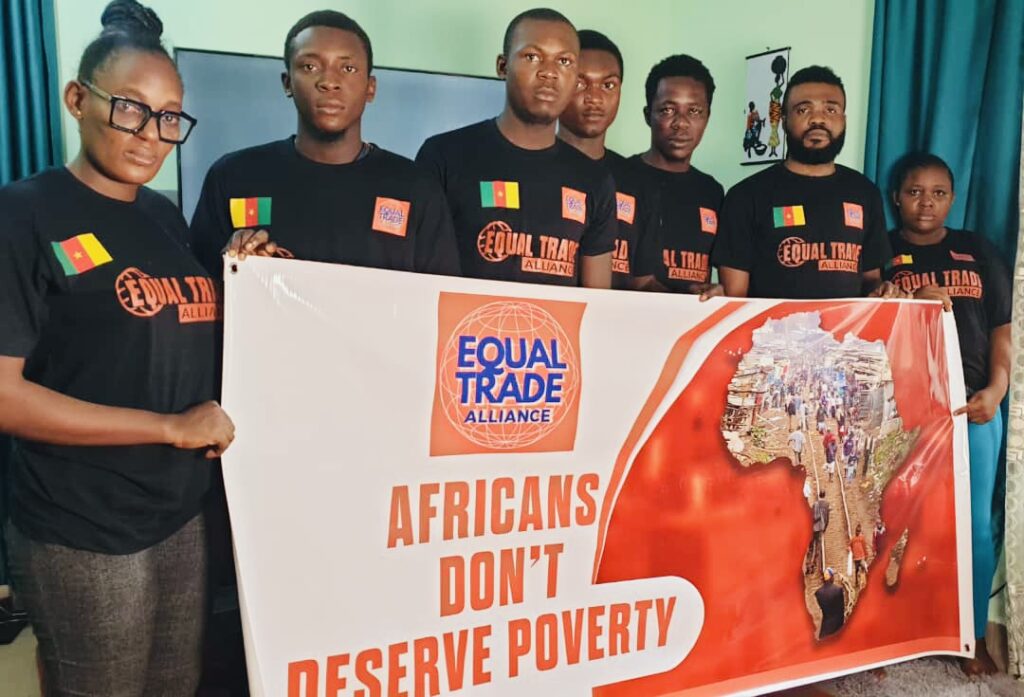
A framework for producer ownership, shared value, and sustainable economies.
Producers are owners, not just suppliers.
Value Chains That Regenerate
Systems that strengthen communities and restore ecosystems, not extract from them.
Shared Prosperity for All
Prosperity is stronger — and more durable — when it’s shared.
Sovereignty Through Industry
Nations build lasting sovereignty when they own and control key industries.
Topics include:
The future of international trade
Rethinking global value chains
Economic sovereignty
The Equal Trade
Model Africa's industrial futureStrategic dialogue
How can value chains become more equitable?
What does shared ownership actually look like?
What role can governments play?
Rethink existing business models
Develop practical pathways to shared value creation
Guest lectures
Research partnerships
Seminars
Living Innovation Labs
Supervision of student projects
Topics include:
The future of international trade
Rethinking global value chains
Economic sovereignty
The Equal Trade Model
Africa's industrial future
Strategic dialogue
How can value chains become more equitable?
What does shared ownership actually look like?
What role can governments play?
Rethink existing business models
Develop practical pathways to shared value creation
Guest lectures
Research partnerships
Seminars
Living Innovation Labs
Supervision of student projects